 ←
←
Rubber Plant
Ficus elastica
Also known as: Burgundy Rubber Plant, Ficus elastica 'Burgundy'
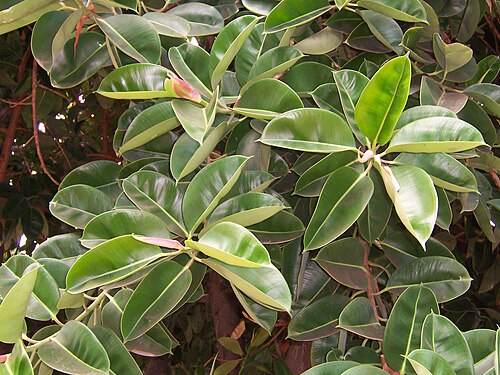
Rubber Plant (Ficus elastica) is a large-leafed houseplant with thick, glossy leaves. It is not safe for cats to chew, because the leaves and stems release an irritating milky sap when damaged. The main concern is latex sap that contains ficin and other irritating compounds. Ficin is an enzyme that can bother the mouth and digestive tract. The sap can also irritate the skin or eyes if it touches them, especially when a leaf or stem breaks. A cat that chews rubber plant may drool, vomit, have diarrhea, lose interest in food, or show mouth discomfort. Sap contact can cause redness, itching, or squinting if it reaches the eye area. Keep rubber plants away from cats, clean up broken leaves, and contact a veterinarian if symptoms are more than mild or do not improve.
Important Notes
Main hazard: Milky latex sap in broken leaves and stems can irritate the mouth, stomach, skin, and eyes.
Symptoms: Drooling, vomiting, diarrhea, reduced appetite, mouth discomfort, or skin and eye redness after sap contact.
Exposure risk: The large leaves may invite chewing, and damaged leaves release more sap.
Action: Move the plant out of reach, wipe sap away with water, and call a vet if symptoms are strong or persistent.
Potentially Toxic Parts
Sap
Leaf
Possible Symptoms Reported in Cats
Irritation of the mouth and drooling (hypersalivation)
Gastrointestinal
Vomiting and diarrhea
Gastrointestinal
Skin redness and contact dermatitis
Dermal
Disclaimer: This summary was compiled from multiple sources and is for informational use only. It is not a diagnosis or treatment plan. Toxicity can vary based on the substance, amount, plant part, and individual cat. If you think your cat may have been exposed to a toxic substance, contact a veterinarian right away.